Hotels near Castel Sant'Angelo, Rome, Italy
Showing 20 hotels
Prices include all taxes and fees
- 1 of 6
 0.50 miles
From*
724€
Honors Advance Purchase Breakfast Included
- 1 of 9
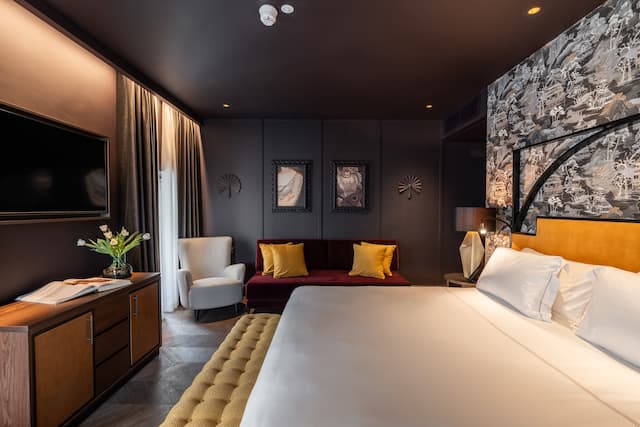 0.57 miles
From*
574€
Honors Advance Purchase Breakfast Included
- 1 of 12
 0.65 miles
From*
1,088€
Honors Discount Breakfast Included
Outdoor pool - 1 of 10
 0.73 miles
From*
278€
Honors Advance Purchase Breakfast Included
- 1 of 12
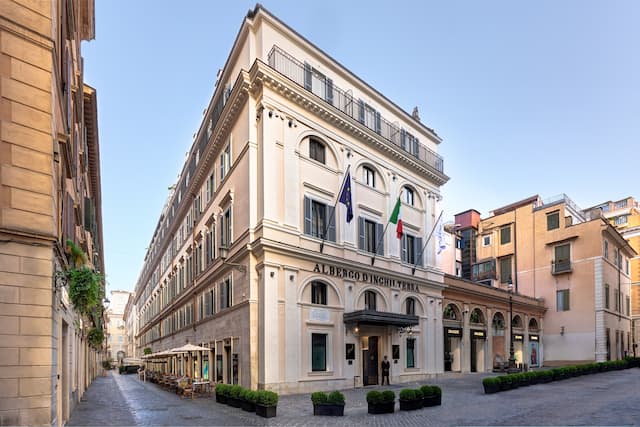 0.75 miles
From*
706€
Honors Discount Advance Purchase
- 1 of 9
 0.78 miles
From*
477€
Honors Advance Purchase Breakfast Included
- 1 of 12
 0.81 miles
From*
161€
Honors Discount Advance Purchase
- 1 of 12
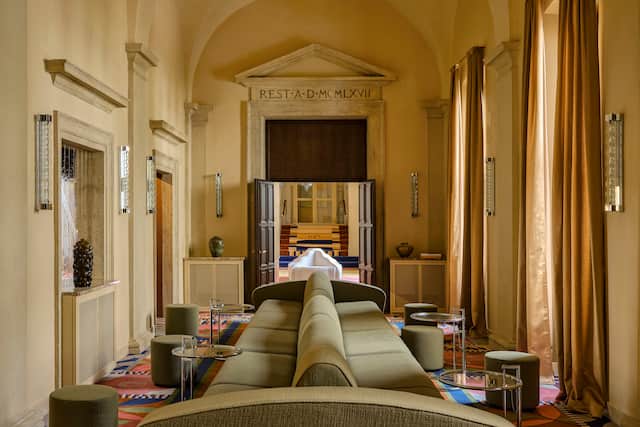 0.89 miles
From*
725€
Honors Advance Purchase Breakfast Included
Indoor pool - 1 of 12
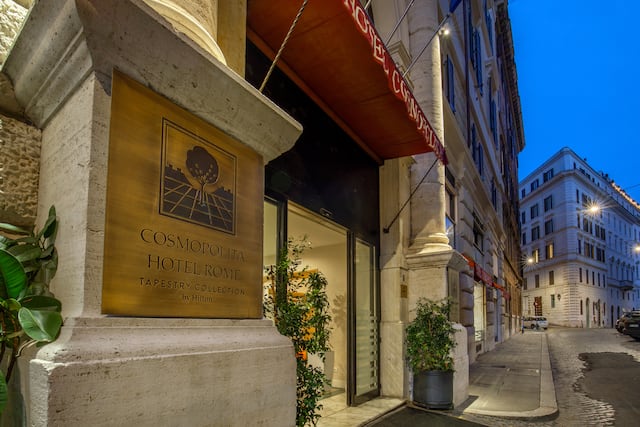 1.02 miles
From*
243€
Honors Discount Advance Purchase
- 1 of 11
 1.17 miles
From*
643€
Honors Discount Breakfast Included
Free parking - 1 of 12
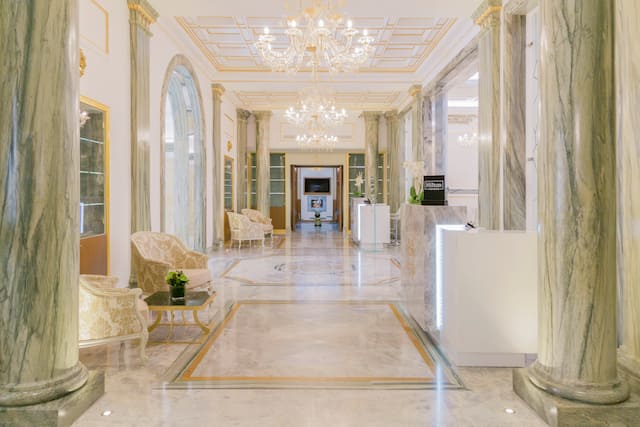 1.23 miles
From*
402€
Honors Discount Advance Purchase
Indoor poolOutdoor pool - 1 of 8
 1.40 miles
Sold Out
Check Available Dates
- 1 of 11
 1.44 miles
From*
343€
Honors Discount Advance Purchase
Indoor poolOutdoor pool - 1 of 6
 1.46 miles
From*
492€
Honors Discount
- 1 of 12
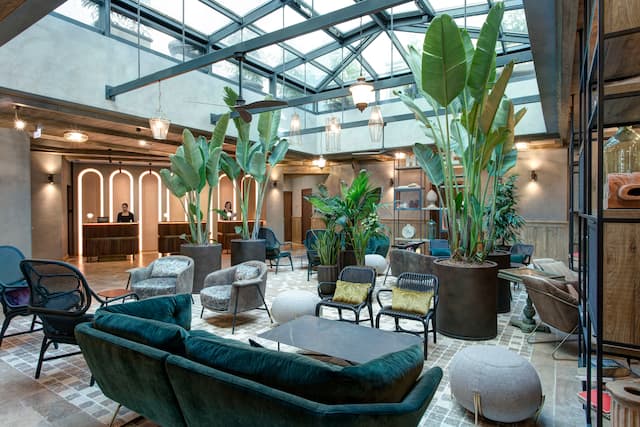 1.59 miles
From*
339€
Honors Discount Advance Purchase
- 1 of 12
 1.75 miles
From*
580€
Honors Advance Purchase Breakfast Included
- 1 of 10
 1.90 miles
From*
149€
Honors Discount Advance Purchase
- 1 of 12
 2.27 miles
From*
218€
Honors Discount Advance Purchase
- 1 of 12
 5.02 miles
From*
182€
Honors Discount Advance Purchase
- 1 of 12
 7.47 miles
From*
64€
Honors Discount Advance Purchase
Free breakfastFree parking




Why was Castel Sant’Angelo originally built?
Castel Sant’Angelo was originally built in the 2nd century AD as a mausoleum for the Roman Emperor Hadrian and his family. Positioned on the banks of the Tiber River just outside the ancient walls of Rome, the structure's circular design was meant to reflect imperial grandeur and serve as a lasting monument to Hadrian’s legacy.
Even though its function shifted from tomb to fortress, before eventually becoming a papal residence and museum, the building’s original core remains intact with visitors still able to trace the foundations of Hadrian’s final resting place within the complex.
Today, its transformation serves as a testament to Rome's evolving history.
How was Castel Sant’Angelo used by popes in the past?
Castel Sant'Angelo used to serve as the fortified sanctuary for popes during political upheaval and military attacks. The structure was made part of the Vatican’s defense system in the 14th century following adaptations to make it suitable for papal use, most notably a hidden corridor that connects the Vatican with the castle and allows one to escape danger discreetly.
Several popes further reinforced the fortress by expanding the number of bastions, towers, and living quarters. In addition to its defensive role, Castel Sant’Angelo also served as a prison and treasury.
Behind its thick walls, decorated corridors and ornate chambers accommodated high-ranking church officials. Today, the layout, art, and rooms inside this towering rotunda serve as a reminder of its papal history, offering a glimpse into the complex political and religious power of the Vatican during the Middle Ages and Renaissance.
Is there a passage between Castel Sant’Angelo and the Vatican?
Yes, there is a hidden elevated corridor known as the Passetto di Borgo that connects Castel Sant’Angelo to the Vatican. This fortified passage was constructed in the 13th century to provide a secure escape route for popes in times of danger.
It runs for about 800 meters along the city wall and is mostly hidden from public view. The passage was notably used by Pope Clement VII during the Sack of Rome in 1527, when he retreated to the fortress.
While not generally open to the public, sections of the Passetto are sometimes included in guided tours. Its existence highlights the strategic importance of Castel Sant’Angelo in Vatican defense and its role in papal history.
What can visitors see inside Castel Sant’Angelo today?
Castel Sant’Angelo offers a wealth of historical and architectural features spread across multiple levels. Highlights include the ancient foundations of Rome, former papal apartments decorated with Renaissance-style frescoes, and military items such as cannons and watchtowers.
Additionally, the museum housed inside tells the story of the building’s transformation from imperial mausoleum to fortress, prison, and residence. There are spiral staircases and ramped corridors leading up to panoramic terraces, each offering a different view of the city.
Every floor depicts a different era, collectively reflecting the castle's layered history through its changing architecture. Exploring Castel Sant’Angelo offers a cohesive glimpse into Roman, medieval, and papal history concentrated into a single experience that cannot be found elsewhere in the city.
Are there rooftop views from Castel Sant’Angelo?
Yes, Castel Sant’Angelo boasts impressive rooftop vistas over Rome. The top terrace offers a 360-degree vantage point with unobstructed views of the Tiber, Saint Peter's Basilica, and the rooftops of central Rome. The views are particularly captivating at sunset, when the golden light envelops the city with a warm glow.
This open-air level features battlements and lookout points which allude to its defensive role back in the day. Although climbing the several staircases to the top requires some effort, reaching the top rewards you with panoramic views in all directions and truly showcases the beauty of Rome's skyline.
In addition to being a popular spot for photos, it offers a unique perspective of how the fortress fits into the city's architectural layout. Whether you are visiting to take in history, appreciate the views, or both, Castel Sant’Angelo's rooftops are a highlight of the experience.
*Prices are based on current availability over the next 30 days and are subject to change. Please enter exact dates for specific pricing and availability.