Hotels near English Garden, Munich, Germany
Showing 5 hotels
- 1 of 12
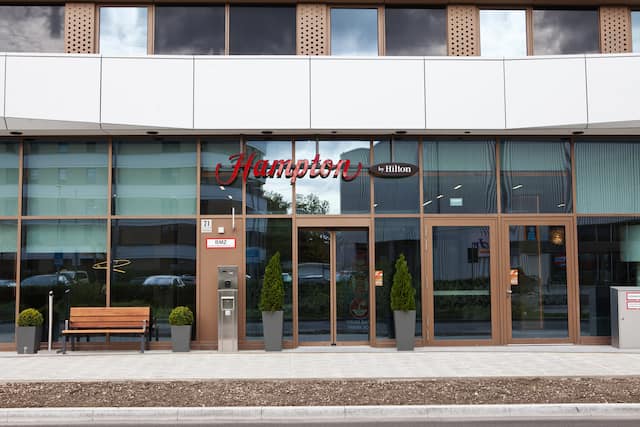
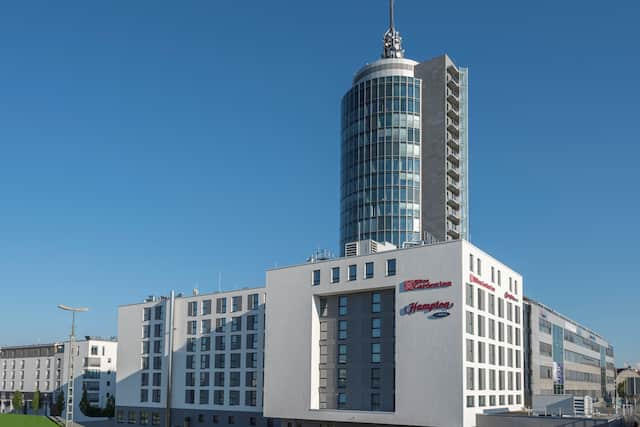
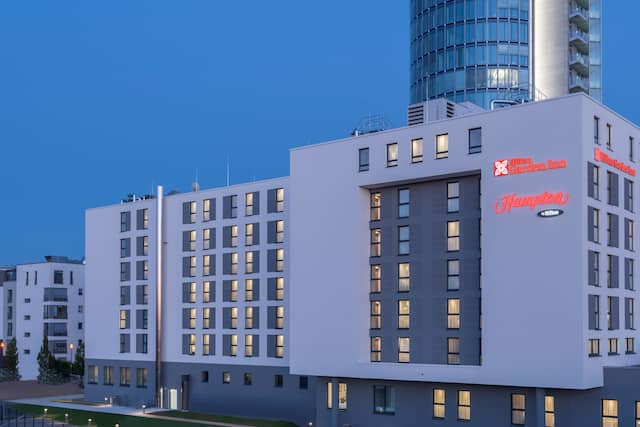
Hampton by Hilton Munich City Center East
2.42 milesFree breakfast - 1 of 12
Hilton Munich City
2.46 miles - 1 of 9
House of Hutter - Munchner Kindl, an SLH Hotel
2.57 miles - 1 of 12
Hampton by Hilton Munich City West
3.62 milesFree breakfast - 1 of 12
Hilton Garden Inn Munich City West
3.63 miles








Why is the English Garden one of the largest urban parks in the world?
Considered one of the largest urban parks in the world, the English Garden in Munich spans approximately 375 hectares (around 930 acres), making it significantly larger than Central Park in New York City and Hyde Park in London. Stretching from the central part of the city all the way to the northeastern edge of Munich, it provides a vast green corridor through the urban landscape, complete with wooded sections, meadows, waterways, multiple paths and open areas which provide ample space for relaxation and recreation.
The park's layout makes it ideal for cycling, jogging, picnicking, as well as water-based activities like paddle boating. Its continuous expansion since the 18th century has solidified its identity as a city park with the scale and characteristics of a natural forest.
In contrast to smaller and more formal gardens, the English Garden was intended to mimic an idealized version of nature, which sets it apart from other green spaces.
Can you really surf on the river in the English Garden?
Yes, visitors can surf on the Eisbach wave - an artificial standing wave on a fast-flowing, man-made canal within the English Garden that branches off the Isar River. The wave was created unintentionally in the 1970s when concrete blocks were submerged under a bridge in an attempt to slow the flow of the Eisbach River.
It has grown in popularity ever since, especially among experienced surfers willing to expose themselves to the elements, even in the frigid winter months. While it is a famous attraction, the wave's strength paired with the concrete banks makes it unsuitable for beginners.
The Eisbach wave is an unusual tourist experience in the heart of the city, which draws crowds to the nearby bridge where they can enjoy the performances of seasoned surfers.
Who designed Munich’s English Garden?
The English Garden was designed by Sir Benjamin Thompson, an American-born British physicist and military officer who initiated the project in 1789 while working for the Bavarian government. Landscape architects Friedrich Ludwig von Sckell and Reinhard von Werneck further developed the park’s design by expanding and further improving its layout.
The park's concept drew inspiration from the English landscape garden style and was created to resemble natural scenery with slightly curved paths, plenty of open space, and tree-lined areas. The English Garden sets itself apart from formal Baroque gardens by avoiding symmetry, aiming instead for a naturalistic and relaxed atmosphere.
Originally conceived to serve as both a public recreation space and a training ground for the army, the park almost immediately became a popular urban escape, securing its status as one of Munich’s most visited landmarks.
What cultural landmarks are inside the English Garden?
The English Garden is home to a number of popular cultural landmarks that elevate its appeal and convey a sense of local heritage. The Monopteros, a small Greek-style circular temple, is the most recognizable landmark, with its hillside location providing an excellent panoramic view of the whole park.
Another highlight is the Chinese Tower - a wooden pagoda designed to reflect Asian architecture from the 18th century, surrounded by a large square for seasonal gatherings and events. The Japanese Tea House on an island in the Schwabinger Bach together with the various stone bridges and pavilions scattered throughout the park grounds, are among the other notable points of interest.
These landmarks reinforce the park’s historical ambience and cultural significance.
Are beer gardens located inside the English Garden?
Yes, the English Garden features several beer gardens, making it a popular destination for those who want to experience traditional Bavarian leisure culture while surrounded by nature. Located at different points in the park, these open-air venues offer plenty of seating, a variety of brews, and local cuisine.
Some beer gardens enjoy scenic locations near landmarks like riverside paths or pavilions. In keeping with long-standing beer garden tradition, guests are often welcome to bring their own food and enjoy it with purchased drinks.
Their relaxed atmosphere and abundance of shaded seating areas attract locals and tourists, especially during late spring and summer. The beer gardens integrate Bavarian cultural tradition into the English Garden, reinforcing its position as a multifunctional public space.
*Prices are based on current availability over the next 30 days and are subject to change. Please enter exact dates for specific pricing and availability.