Hotels in Jeddah, Saudi Arabia
Showing 6 hotels
- 1 of 12
 0.87 miles
From*
380ر.س
Honors Discount
Free parkingOutdoor pool - 1 of 12
 3.70 miles
From*
350ر.س
Honors Discount Semi-flex
Free parkingOutdoor pool - 1 of 12
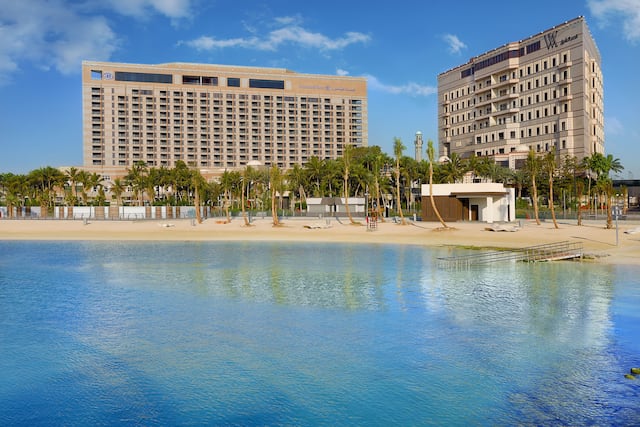 5.83 miles
From*
1,171ر.س
Honors Discount Advance Purchase
Free parkingIndoor poolOutdoor pool - 1 of 12
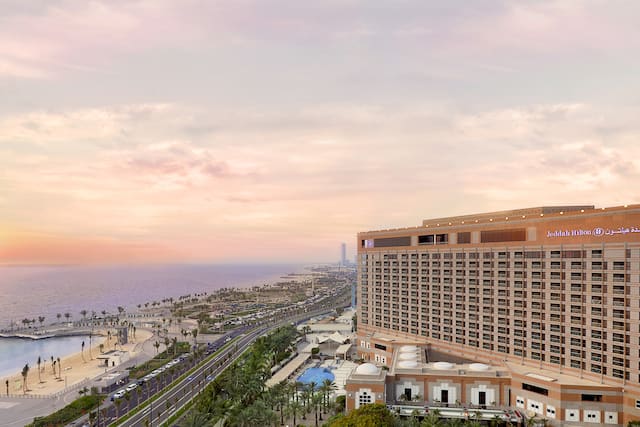 5.89 miles
From*
656ر.س
Honors Discount Semi-flex
Free parkingIndoor poolOutdoor pool - 1 of 12
 6.52 miles
From*
503ر.س
Honors Discount Semi-flex
Free parkingOutdoor pool - 1 of 12
 6.98 miles
From*
241ر.س
Honors Discount Semi-flex
Free breakfastFree parking


Why is Jeddah known as Saudi Arabia’s gateway to the Red Sea?
Jeddah sits on the Red Sea coast and has been a major port for centuries, which is the main reason it earned its reputation as a gateway.
Ships have long arrived carrying goods and traders, making the city Saudi Arabia's main window onto the water and a meeting point for people from many lands. The port remains a major hub on the Red Sea and handles a large share of the country's seaborne imports. That coastal position still shapes daily life.
The Jeddah Red Sea shoreline draws families to the Corniche, supports a busy commercial harbour, and gives the city a more open, outward-looking character than places further inland. As a Jeddah Saudi Arabia gateway, it has historically been the point where the wider world reached the country and where the country looked out to sea.
What layers of heritage shape Jeddah’s UNESCO-listed Al-Balad district?
Al-Balad is the old core of the city and carries its history in its architecture. Built largely from coral stone quarried along the coast, its tall merchant houses are known for carved wooden bay windows, called roshan, which catch the breeze and shade the rooms within.
The roshan are made from teak imported by sea and assembled without nails, a craft skill the district was built around. Walking the narrow lanes of historic Jeddah, you pass old courtyards, former trading houses and weathered facades that reflect the area's long role as a commercial centre.
Some of the houses rise several storeys, an unusual height for buildings of this age and material. The district's architectural and historical value earned it UNESCO World Heritage status in 2014, and continuing restoration work protects the coral-stone buildings and their timber detailing. The layered street pattern, with its tight lanes and tall facades, is part of what the listing recognises.
What can you do along Jeddah’s Corniche?
The Jeddah Corniche is the city's main outdoor gathering place, a long landscaped seafront running for miles along the Red Sea. A wide promenade is used for walking, jogging and cycling, while open-air sculptures by various artists are set along the route, turning a walk into something of an art trail.
The collection includes large modern works gathered over several decades. Families spread out across the parks and shaded play areas, and there are points to sit and watch the King Fahd Fountain, which sends a jet of water high above the sea.
In the cooler evenings the Jeddah waterfront fills with people picnicking and relaxing by the sea, and cafes and restaurants line parts of the route if you want to pause. Much of it is free to use. The Corniche captures a good deal of everyday outdoor life in the city across the year.
How does Jeddah combine its old trading heritage with modern life?
Jeddah holds its history and its modern side close together. The old quarter of Al-Balad, with its coral-stone houses and carved roshan windows, sits a short distance from contemporary towers, shopping centres and a redeveloped waterfront.
This blend is central to the Jeddah character: you can spend a morning among centuries-old merchant architecture and an afternoon along a modern Corniche. Rather than clearing the past aside, the city has kept its trading roots visible while building outward, so the contrast between old and new defines the place.
The historic core is protected under its heritage listing while newer districts expand around it, which keeps the two distinct rather than blurred. That layering of eras gives Jeddah its particular feel, with the tight lanes of the old town giving way to wide modern roads only a short distance away.
When is the best time to visit Jeddah?
The most comfortable time to visit Jeddah is the cooler months, roughly November to March, when daytime temperatures are pleasant and the evenings are mild enough to walk the Corniche and the old quarter on foot. Daytime highs in that period generally sit in the mid-twenties Celsius.
Summers, by contrast, are very hot and humid, so daytime sightseeing is best enjoyed at an easier pace, with the sea offering some relief and many attractions air-conditioned. Summer highs often pass forty degrees with high humidity from the coast. The cooler season tends to be when the city hosts more outdoor events, festivals and cultural programmes, so there is usually more on.
If your main aim is to explore Al-Balad and walk the seafront, the winter months are the clear choice, when conditions suit long stretches outdoors. The spring and autumn shoulder periods can also work, though the deepest winter weeks remain the most reliable window.
*Prices are based on current availability over the next 30 days and are subject to change. Please enter exact dates for specific pricing and availability.