Hotels in Ras Al Khaimah, U.A.E
Showing 6 hotels
- 1 of 12
 2.30 miles
From*
AED 273
Honors Discount
Free parkingOutdoor pool - 1 of 11
 11.86 miles
From*
AED 687
Honors Discount Advance Purchase
Free parkingOutdoor pool - 1 of 12
 13.98 miles
From*
AED 487
Honors Discount Advance Purchase
Free breakfastFree parkingOutdoor pool - 1 of 12
 14.08 miles
From*
AED 546
Honors Advance Purchase Breakfast Included
Free parkingIndoor poolOutdoor pool - 1 of 12
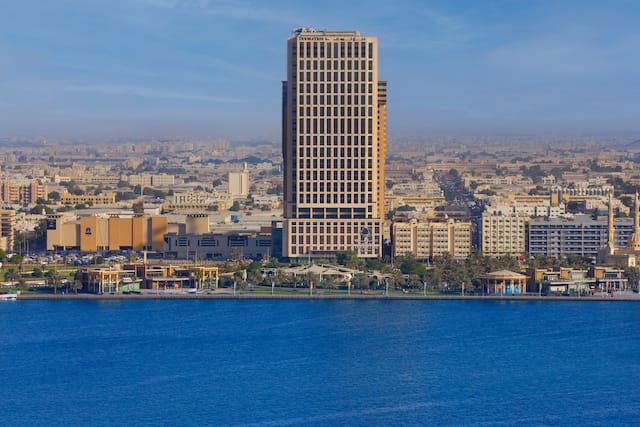 46.02 miles
From*
AED 276
Honors Discount
Free parkingIndoor pool - 1 of 11
 49.08 miles
From*
AED 184
Honors Discount
Free breakfastFree parkingOutdoor pool


What makes Ras Al Khaimah different from the other Emirates?
Ras Al Khaimah stands apart for its landscape. While much of the country is flat desert and coast, this northern emirate also has dramatic mountains, with the Hajar range rising sharply behind the towns and beaches.
That gives it an unusual mix: long sandy shores and mangrove lagoons on one side, rugged peaks and wadis on the other. What Ras Al Khaimah is known for, then, is variety within a small area, and a quieter, more outdoor pace than the busier emirates.
There is plenty of history too, from old forts and pearling villages to archaeological sites dating back several thousand years. For visitors, the practical appeal is being able to swim in the morning and head into the mountains by the afternoon, the coast and the peaks lying within an hour or so of each other.
What can you do on Jebel Jais in Ras Al Khaimah?
Jebel Jais is the highest mountain in the country, reaching about 1,934 metres, and it has become the centre of outdoor activity in Ras Al Khaimah. A well-built road winds up to viewing decks near the summit, where the temperature is noticeably cooler than on the coast and the views over the surrounding peaks are wide, particularly around sunset.
Marked hiking trails of varying difficulty let you explore the rocky terrain on foot, ranging from short walks to longer routes for experienced hikers. The mountain is also home to one of the world's longest ziplines, which carries riders high above the valley at speed.
Picnic areas and viewpoints are dotted along the route up, so the mountain activities suit relaxed visitors as well as those after a thrill. The cooler air at altitude makes it a practical place to visit even in the warmer months, when the lowland coast becomes very hot.
What coastal activities can you try in Ras Al Khaimah?
The coast here is long, calm and far less crowded than in the bigger cities. Ras Al Khaimah beaches stretch for miles, with soft sand and gentle water that suit swimming, sunbathing and easygoing days by the sea.
Beyond the open shore, sheltered mangrove lagoons offer a different kind of outing, best explored by kayak or paddleboard as you move quietly between the greenery and spot birdlife along the way. The mangroves are an important habitat for wading birds and young fish, which is part of why they are protected.
Watersports operators along the Ras Al Khaimah coastline run boat trips, jet ski hire and other activities for those after a faster pace. There is room here to relax on the sand or get out on the water, and the shoreline rarely feels busy. The mix of open beach and sheltered lagoon within a short distance sets the emirate's coast apart.
Which historical sites bring Ras Al Khaimah’s heritage to life?
The emirate has a long past, and several sites make it easy to explore. Dhayah Fort, set on a hilltop reached by a short climb of around 240 steps, is the standout: from its old mud-brick walls you get wide views over palm groves and the coast, and it is also the highest hilltop fort in the country.
In the main town, the National Museum occupies a former fort and ruler's residence, with displays on local life, archaeology and the pearling trade that once underpinned the economy. The building itself dates from the eighteenth century.
Together these sites trace the Ras Al Khaimah history from ancient settlements through the pearl-diving era to the present. The surrounding area also holds archaeological remains going back several thousand years, so the fort and museum form part of a wider picture of long settlement along this stretch of coast and mountain.
When is the best time to visit Ras Al Khaimah?
The most comfortable months to visit run from about October to April, when the weather is warm and dry rather than fiercely hot, which suits the beaches, mountains and outdoor sites alike. Daytime temperatures in that period are generally pleasant, with mild evenings.
This cooler season is also when the emirate hosts more events and festivals, so there tends to be plenty on. Summer is a different proposition: temperatures on the coast climb high and humidity rises, though up on Jebel Jais the mountain air stays noticeably cooler, often several degrees below the lowlands, which can make a summer trip into the hills surprisingly pleasant.
So while the winter months are the straightforward answer for the best time to visit Ras Al Khaimah, the weather gives you year-round options if you head for the heights when the coast heats up. Plan around what you most want to do, beach or mountain.
*Prices are based on current availability over the next 30 days and are subject to change. Please enter exact dates for specific pricing and availability.