Hotels in Brighton, United Kingdom
Showing 8 hotels
- 1 of 12
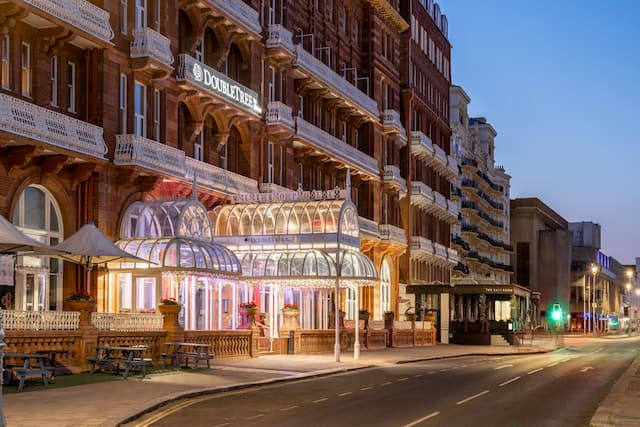 0.50 miles
From*
£90
Honors Discount Semi-flex
Indoor pool - 1 of 10
 18.86 miles
From*
£201
Honors Discount Breakfast Included
Indoor pool - 1 of 12
 18.87 miles
From*
£201
Honors Discount Breakfast Included
Free parkingIndoor poolOutdoor pool - 1 of 8
 20.01 miles
From*
£343
Honors Discount Breakfast Included
Free parkingIndoor pool - 1 of 11
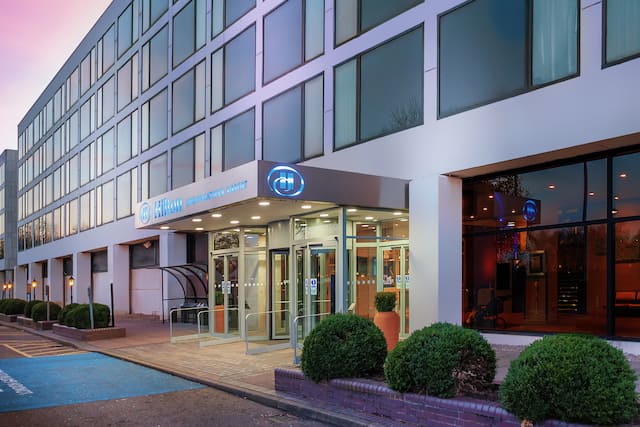 23.12 miles
From*
£116
Honors Discount Advance Purchase
- 1 of 12
 23.52 miles
From*
£122
Honors Discount Advance Purchase
Free breakfast - 1 of 12
 38.86 miles
From*
£102
Honors Discount Advance Purchase
- 1 of 12
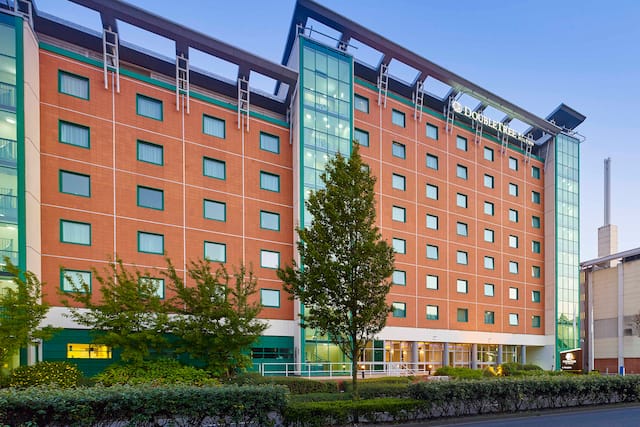 38.99 miles
From*
£81
Honors Discount Advance Purchase


What sets Brighton apart from other British seaside cities?
Brighton has a different character from most places on the English coast. It is a city by the sea rather than a small resort, with a strong independent streak. The seafront has the usual pebble beach and a pier, but a short distance inland the streets fill with small shops, studios and music venues rather than the chains found elsewhere.
A long-established creative community shapes much of the place, and festivals run through several months of the year. Day visitors from London mix with students, artists and residents who have lived here for decades, and the city has a reputation for being open and easy-going.
It manages to feel both relaxed and busy at once. The South Downs behind the front and the regular train link to London add to the mix, so Brighton works as a day trip, a weekend break or a base for walking the surrounding countryside.
What makes the Royal Pavilion stand out among Brighton’s landmarks?
The Royal Pavilion is the building most first-time visitors notice. Built in the early 1800s as a seaside retreat for the Prince Regent, later George IV, it combines domes and minarets drawn from Indian architecture with interiors influenced by Chinese design. Little else in Brighton, or in Britain generally, looks like it.
The exterior is striking on its own, but the interiors show the ambition most clearly, from the banqueting hall with its large chandelier to the gilded detail of the music room. The gardens around it have been replanted to match the original Regency designs, so the setting matches the house.
It stands in the centre of town, a short walk from the seafront and The Lanes, which makes it easy to combine with a wider afternoon. The adjoining museum and art gallery share the same gardens, so several attractions sit within a few minutes of each other.
On a walk through The Lanes in Brighton, what can you discover about the city’s history?
The Lanes are the oldest part of Brighton, a set of narrow alleys that follow the layout of the original fishing village. Walking through them is a quick way to read the town's early history.
The buildings are low and tightly packed, and the passages twist enough that it is easy to lose your bearings, which is part of the appeal. Today the shopfronts are mostly jewellers, antique dealers and independent boutiques, with cafes and small restaurants between them.
Look up and you still see older details in the brickwork and signage that hint at earlier uses. It is an unhurried place to browse, and you are only a minute or two from the seafront whenever you decide to head back.
Why does Brighton have a reputation as a creative and welcoming place?
Brighton has long drawn people who want to work independently, and that has shaped its reputation over time. Artists, musicians and small businesses have clustered here for generations, helped by a steady flow of students and a community that values being open to everyone. The calendar reflects this.
The Brighton Festival fills May with theatre, music and art across dozens of venues, the Fringe runs alongside it, and smaller events take place through the rest of the year. The same character shows in the street art, the independent shops and the many cafes.
People tend to feel comfortable here, and visitors usually notice the friendly, informal atmosphere quickly. The mix of seaside setting, regular festivals and a settled creative community is what underpins the reputation rather than any single attraction. Community groups and venues keep the programme busy outside the main festival season as well.
What is the quickest way to travel from London to Brighton?
Trains are the fastest and simplest way down from London. Fast direct services from the main central stations reach Brighton in around an hour and run frequently through the day, so waits are usually short. The station sits at the top of town, a ten-minute downhill walk to the seafront, which makes the city an easy day trip from the capital.
Driving takes longer, usually over an hour and a half depending on traffic, mostly along motorway and dual carriageway before the final approach into the city. Parking near the front is limited and can be expensive in summer, so many drivers use one of the park-and-ride sites on the edge of town and finish by public transport.
Coaches also run from London and cost less, though they take longer and depend on road conditions. For most visitors, particularly anyone coming for the day, the train is the better option on speed and convenience. Journey times, fares, parking and coach schedules can change, so check official transport and parking information before travelling.
*Prices are based on current availability over the next 30 days and are subject to change. Please enter exact dates for specific pricing and availability.