Hotels in Newcastle upon Tyne, United Kingdom
Showing 5 hotels
- 1 of 11
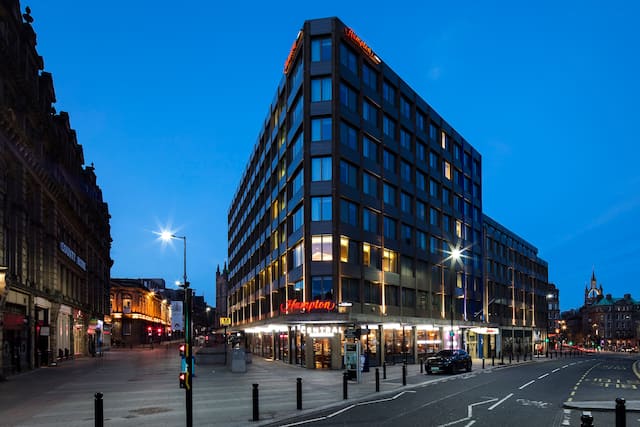 0.63 miles
From*
£75
Honors Discount Semi-flex
Free breakfast - 1 of 12
 0.81 miles
From*
£85
Honors Discount Advance Purchase
Indoor pool - 1 of 12
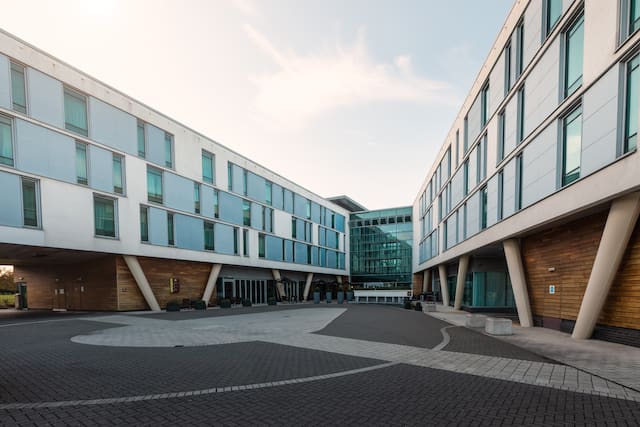 5.71 miles
From*
£87
Honors Discount Advance Purchase
- 1 of 12
 9.83 miles
From*
£73
Honors Discount Advance Purchase
- 1 of 12
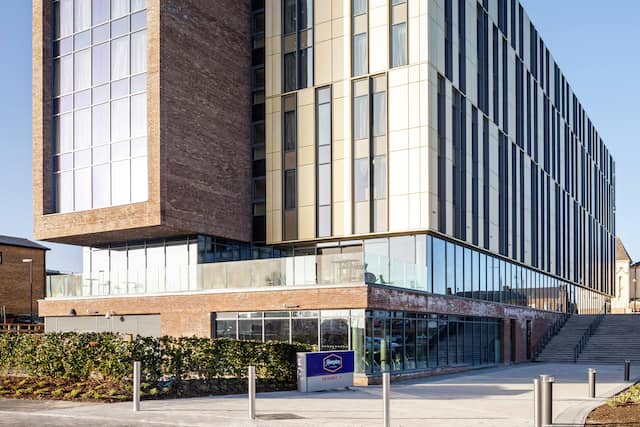 30.83 miles
From*
£77
Honors Discount Advance Purchase
Free breakfast


What gives Newcastle upon Tyne its distinctive character?
The River Tyne and its bridges are central to Newcastle's identity. The arch of the Tyne Bridge has become the city's emblem, and the cluster of crossings below it, including the tilting Gateshead Millennium Bridge, gives the riverside its distinctive character.
Away from the water, the city is known for friendly, outgoing residents and a strong sense of local pride that visitors pick up in conversation. Stone-built streets in the centre share space with an active cultural scene and long-standing interests in music and sport. The local accent is distinctive, and the welcome tends to be warm.
The centre is compact and walkable, with the river never far away, so getting between the main areas on foot is easy. These features, the river, the bridges, the architecture and the people, rather than any single attraction, are what give the city its particular feel.
How has the River Tyne shaped life in Newcastle?
For centuries the Tyne was the city's main route to the wider world, carrying coal and goods out and bringing trade and shipbuilding to its banks. The wealth from the river built much of the centre and gave the area its industrial base.
As heavy industry declined, the waterside was redeveloped rather than abandoned. The quaysides now hold galleries, music venues, restaurants and weekend markets, and the bridges that once served cargo frame an evening walk. The river still sets the geography, dividing Newcastle from Gateshead on the opposite bank, with the crossings linking the two.
You can trace much of the city's story along the banks, where converted warehouses sit beside newer buildings. The Tyne has moved from a working artery to a social and cultural focus, but it remains the thread connecting the city's past with its present.
Which museums in Newcastle cover the city’s history?
Several museums set out the city's long history. The Discovery Museum covers Newcastle's industrial and maritime past, with a large ship model and displays on local invention and engineering. The Great North Museum brings together natural history, ancient artefacts and a large-scale model of nearby Hadrian's Wall, which once marked the northern edge of the Roman Empire.
Smaller collections cover everyday life, art and the region's social history. Most sit within walking distance of the centre, and many are free to enter, so combining a couple in an afternoon is straightforward. Between them they give a full account of how the city developed, from Roman frontier town to industrial port.
Opening times vary, and a few of the smaller venues close on certain weekdays, so checking ahead is worthwhile. Several have cafes and shops on site, which makes them an easy place to break up a day of exploring.
Why is Newcastle’s Quayside a popular place to spend an evening?
The Quayside is one of the better areas of the city for an evening out. After dark the bridges are lit over the water, the Tyne Bridge and the curving Millennium Bridge in particular, and the reflections add to the setting.
A line of restaurants, cafes and bars runs along the cobbled waterfront, so you can eat, take a walk or sit by the river. It is busy without being overwhelming, and the riverside path makes it easy to move between Newcastle and Gateshead across the footbridge.
Weekend evenings draw the largest crowds, with music from the venues and a steady level of activity. A regular market runs here on Sundays, selling local produce, crafts and street food.
What stands out on a walk through Newcastle’s Grainger Town?
Grainger Town is the historic core of the city, built in pale stone during the early nineteenth century and well preserved. Walk along Grey Street, a sweeping curved street lined with grand facades and classical columns, and you reach Grey's Monument at the top.
The covered Grainger Market nearby holds independent stalls selling food, flowers and goods under a Victorian roof, and it has traded since the 1830s. Theatre buildings, arcades and period shopfronts line the surrounding streets, mixing high-street names with smaller independents.
It is a compact area, easy to cover in an hour or two on foot, and much of the detail is overhead, in the upper storeys, so it rewards looking up. The streets are mostly pedestrian-friendly and fairly flat, and information plaques on several buildings explain the area's planned nineteenth-century layout.
*Prices are based on current availability over the next 30 days and are subject to change. Please enter exact dates for specific pricing and availability.