Hotels near Romerberg Square, Frankfurt, Germany
Showing 4 hotels
- 1 of 12
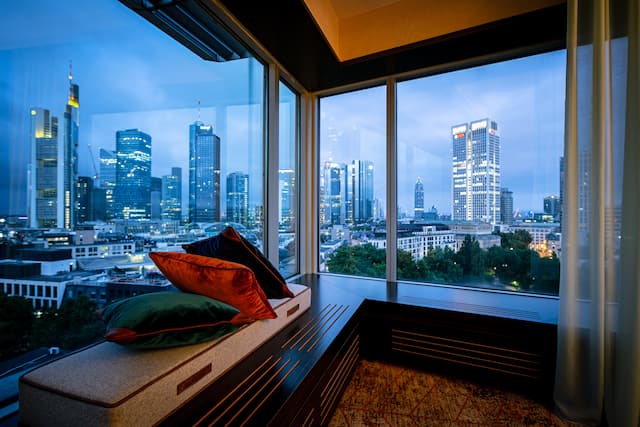
Hilton Frankfurt City Centre
0.48 milesIndoor pool - 1 of 12
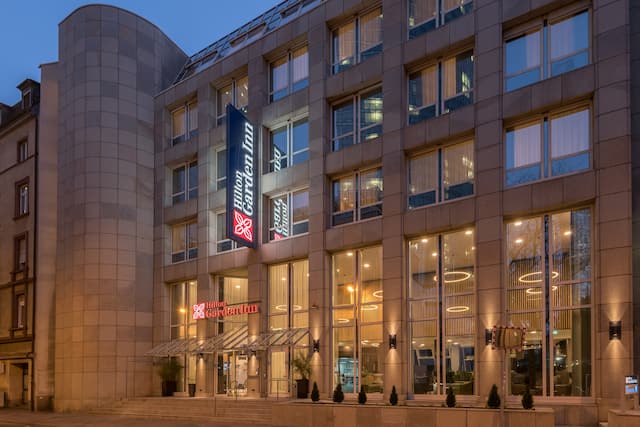
Hilton Garden Inn Frankfurt City Centre
0.64 miles - 1 of 12
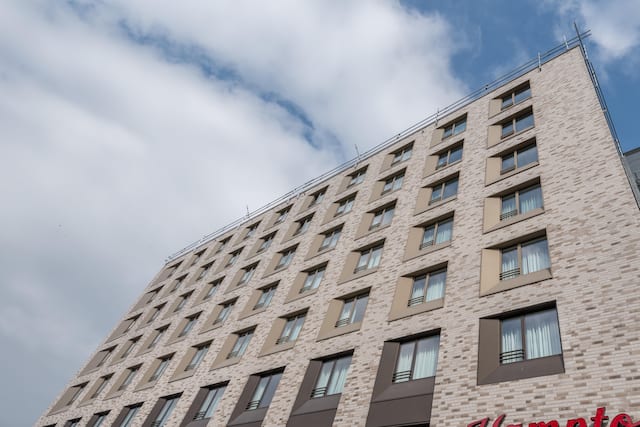
Hampton by Hilton Frankfurt City Centre East
1.12 milesFree breakfast - 1 of 12
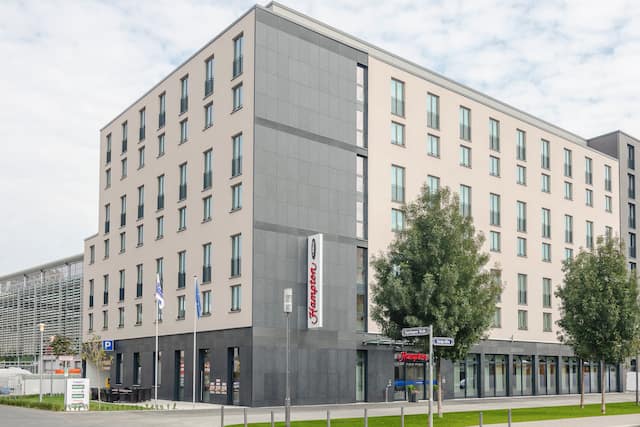
Hampton by Hilton Frankfurt City Centre Messe
1.56 milesFree breakfast








What historic events have taken place in Römerberg Square?
Throughout its long history, the Römerberg Square has been the site of numerous important moments and pivotal events. During the time of the Holy Roman Empire, the square was synonymous with imperial coronations, where newly crowned emperors were celebrated with public festivities.
The square's central location in the historic heart of the medieval Altstadt made it a preferred place for important civic meetings, medieval fairs, public proclamations and religious processions. Perhaps the most consequential role of Römerberg has been as a commercial hub, regularly hosting open-air markets and fairs since the Middle Ages.
The square underwent extensive reconstruction in the 1980s to restore the medieval houses that surrounded it, which were severely damaged during World War II. Today, it continues to provide a public space for events, expanding on its legacy as a place where important moments in Frankfurt's cultural and political history have unfolded.
What is the Römer building in Römerberg Square?
One of the most recognizable landmarks in Römerberg, the Römer building has served as the seat of the Frankfurt city administration since the 15th century. The name “Römer” originates from the family from whom the city council purchased the building in 1405 and converted it into the new town hall.
Over the centuries, the complex expanded into a sequence of connecting medieval buildings with distinctive stepped gables, forming one of Frankfurt’s most recognizable ensembles. Both the city hall and the Römerberg were the sites of numerous imperial coronations and official receptions during the Holy Roman Empire, attesting to Frankfurt’s political significance.
The Kaisersaal (Emperor’s Hall), located inside, is particularly interesting with its many portraits of emperors, arched ceilings, and splendid decorations. Ceremonial events are still conducted in the building to this day, and it remains the seat of the Lord Mayor and the city council, serving as a link between its medieval past and modern administrative function.
How did Römerberg Square get its name?
Römerberg Square takes its name from the Römer building, which has been Frankfurt’s city hall for over 600 years. Its name comes from the "Haus Römer," one of the three central buildings that the city purchased in 1405.
After the city council acquired the original complex and converted it into the new town hall in the early 1400s, the area in front of it gradually became known as Römerberg, meaning “Roman Mountain”. The name conveys the lasting influence of the Römer building in defining the civic and political identity of the square.
Over the centuries, Römerberg evolved beyond simply being the administrative heart of Frankfurt - it became an enduring symbol of the city's lasting cultural legacy.
Are Christmas markets held at Römerberg Square?
Yes, Römerberg Square hosts one of Germany's oldest and most well-known Christmas Markets. The Frankfurt Christmas Market takes place every year during Advent and transforms this square into a winter wonderland, complete with festive wooden stalls, seasonal decorations, and traditional foods, including roasted almonds and mulled wine.
Dating back to the 14th century, the Frankfurt Christmas Market runs from late November through the end of December, and attracts visitors from all over the world.
The highlights include a towering Christmas tree, live musical performances, as well as artisan gifts, which complement the historic backdrop and make Römerberg a preferred place for festive celebrations.
What architectural styles are present in Römerberg Square?
The result of centuries of urban development, Römerberg Square's architectural style is represented through a mix of Gothic, Renaissance, and traditional half-timbered structures. The Römer building's stepped gables and pronounced medieval layout reflect Gothic influences blended with later alterations.
The half-timbered houses that surround the square are reconstructions modeled after 15th- and 16th-century designs, rebuilt following the destruction of the original buildings during World War II. Baroque and Renaissance architectural elements are also commonly found throughout the square, and especially prominent in the nearby churches and civic buildings.
All of these styles blend together to form Römerberg's distinctive appearance, rooted in historical depth and cultural significance.
*Prices are based on current availability over the next 30 days and are subject to change. Please enter exact dates for specific pricing and availability.