Hotels in Aberdeen, United Kingdom
Showing 3 hotels
- 1 of 11
 4.22 miles
From*
£97
Honors Discount Advance Purchase
Indoor pool - 1 of 12
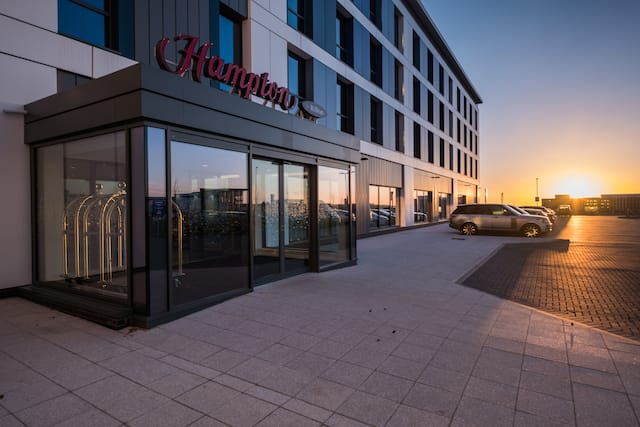 5.33 miles
From*
£78
Honors Discount Advance Purchase
Free breakfast - 1 of 12
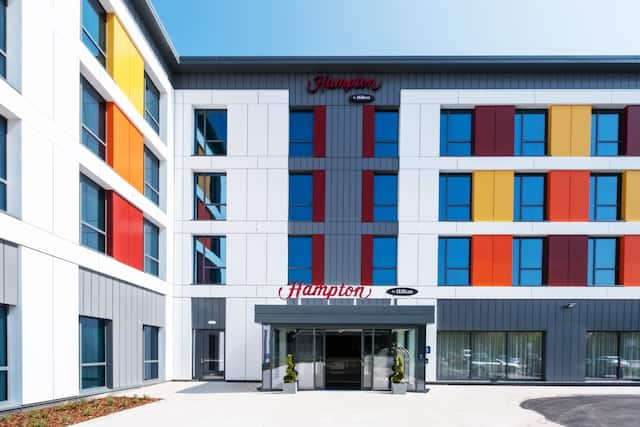 7.21 miles
Sold Out
Check Available Dates
Free breakfastFree parking


Why is Aberdeen known as the Granite City?
Aberdeen earned the nickname because so much of it is built from locally quarried granite. From the 18th century onwards, stone from nearby quarries went into streets, churches and civic buildings, giving the city a silver-grey appearance that shifts with the light.
On a bright day the mica in the granite catches the sun and the buildings appear to sparkle, while under cloud they take on a more sombre tone. Union Street, the main thoroughfare, and Marischal College, a large granite structure, show off the material at its most ambitious.
The stone was also exported for major projects far beyond Scotland. That shared building material gives the centre a consistent appearance, and it is among the first things many visitors notice on arrival. The nearby Rubislaw Quarry, once the source of much of that stone, is now a flooded pit and a reminder of the scale of the industry.
What does Aberdeen Maritime Museum tell you about the North Sea?
Aberdeen Maritime Museum traces the city's long relationship with the North Sea, from early fishing and shipbuilding through to the offshore energy industry that changed the region in recent decades. Set partly in a 16th-century townhouse on the historic Shiprow, it tells these stories through models, paintings and hands-on displays.
One highlight is a large model of an offshore platform that runs up through several floors, giving a sense of the scale of work out on the water. Other galleries cover the days of sail, the herring trade and the crews who worked at sea.
Entry is free and the layout is clear, so you can visit for an hour or take longer, and it pairs naturally with a walk around the nearby harbour. The museum sits close to the working port, where supply vessels and ferries still come and go, so the subject connects to what is happening outside.
How does Old Aberdeen differ from the modern city centre?
Old Aberdeen feels like a separate village within the city, and the contrast with the busy modern centre is clear. Its cobbled streets, the medieval crowned tower at King's College and quiet closes date back centuries, and the University of Aberdeen still uses many of the historic buildings, so students give the area life without disturbing its calm.
Walk a mile or so south and you reach the granite bustle of Union Street, with its shops, offices and traffic. The two sit close together yet feel very different, one quiet and historic, the other a working city centre.
Seeing both in a single day is one of the simplest ways to understand how Aberdeen has grown over the centuries. St Machar's Cathedral, a fine granite building, anchors the older quarter, and the nearby Cruickshank Botanic Garden adds green space, so Old Aberdeen rewards an unhurried walk.
What can families do along Aberdeen Beach?
Aberdeen Beach is a long sandy stretch close to the city centre, and it gives families plenty to do in most weather. On milder days there is room for sandcastles, paddling and beach games along the wide promenade, with the North Sea rolling in beside you.
Behind the front sits an esplanade lined with cafes, an amusement area and indoor attractions, so there is somewhere to retreat if the wind picks up. You will find a leisure centre with a pool, play areas and space to cycle or scoot along the seafront path.
The beach also runs up towards the mouth of the River Don, where quieter dunes are good for spotting seabirds. It is an easy, low-cost outing, and the length of the sands means it rarely feels crowded.
Which routes connect Aberdeen with the rest of Scotland?
Aberdeen is well connected despite sitting in the north-east corner of the country. Trains run south down the coast to Dundee, Edinburgh and Glasgow, and north and west towards Inverness, with direct services to several major cities through the day.
By road, the main route south follows the coast for a while before heading inland to the central belt, while other roads strike west into the Highlands and up Royal Deeside towards the mountains. Coaches link the city to towns across Scotland for anyone after a cheaper option, including overnight services to the larger cities.
The harbour, busy with working vessels, also handles passenger ferries to Orkney and Shetland, and the airport offers domestic and international flights. This spread of rail, road, sea and air links makes Aberdeen a practical base for exploring the rest of Scotland. Journey times by train to Edinburgh run to about two and a half hours, which makes day trips workable.
*Prices are based on current availability over the next 30 days and are subject to change. Please enter exact dates for specific pricing and availability.