Hotels in Birmingham, United Kingdom
Showing 10 hotels
- 1 of 12
 0.30 miles
From*
£73
Honors Discount
- 1 of 12
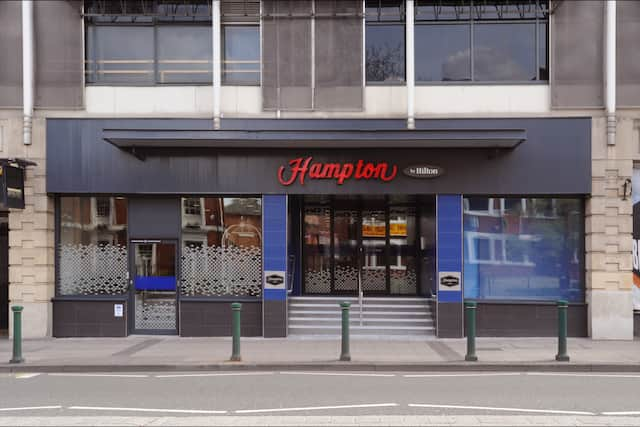 0.33 miles
From*
£53
Honors Discount Advance Purchase
Free breakfast - 1 of 12
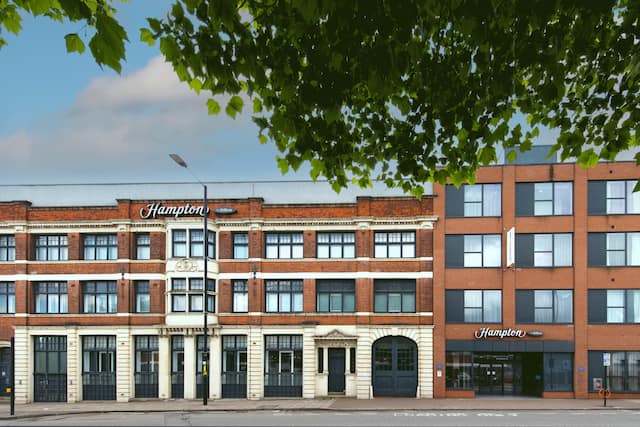 0.62 miles
From*
£48
Honors Discount Advance Purchase
Free breakfast - 1 of 12
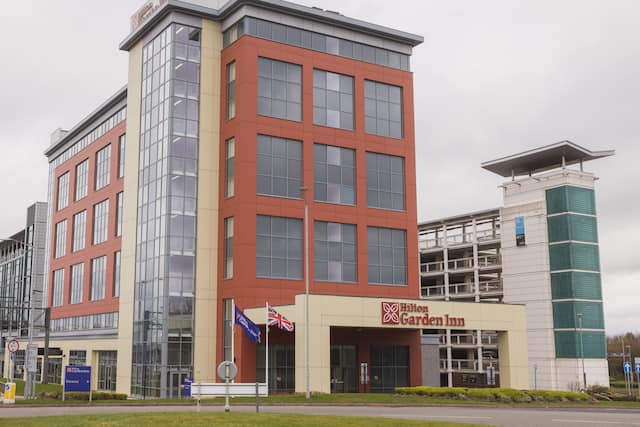 7.70 miles
From*
£76
Honors Discount Advance Purchase
- 1 of 12
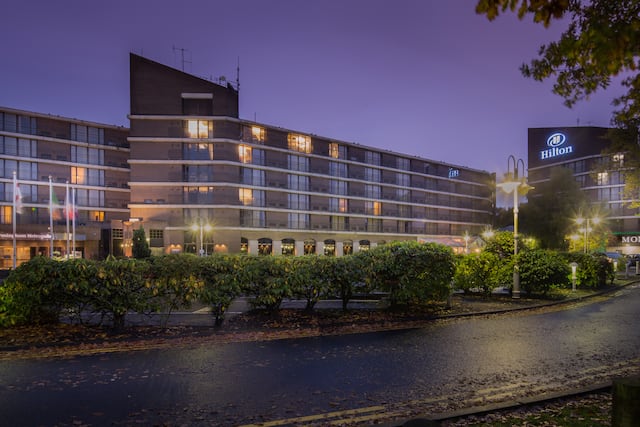
- 1 of 12
 17.46 miles
From*
£56
Honors Discount Advance Purchase
- 1 of 12
 18.62 miles
From*
£56
Honors Discount Advance Purchase
Free breakfast - 1 of 9
 20.03 miles
Coming Soon
We're opening in December 2026, but aren't accepting reservations yet.
- 1 of 12
 20.24 miles
From*
£72
Honors Discount Advance Purchase
- 1 of 12
 21.34 miles
From*
£72
Honors Discount Advance Purchase


What gives Birmingham its variety as a UK city?
Birmingham covers a large area, and the character changes noticeably as you move between districts. The redeveloped centre around Centenary Square and New Street sits close to canal towpaths, and within a short walk you pass from modern shopping streets to converted Victorian warehouses now used as studios and offices. Each district has its own identity.
The Jewellery Quarter keeps its workshops running, Digbeth holds many of the music venues and street art, and the suburbs spread south towards the green hills on the city's edge. Communities from across the world have settled here over the past century, and that history shows in the food markets, festivals and shops.
The city was a major centre of manufacturing, and traces of that past sit alongside newer towers and museums. It is a place better suited to walking between several areas than to a single landmark, with enough to fill an afternoon or a longer weekend.
How can you follow Birmingham’s industrial history along the canals?
Birmingham grew around its canals, and walking the towpaths is a direct way to follow that history. The network once carried coal, iron and finished goods across the Midlands, and the city retains a substantial length of canal for somewhere this far inland.
Start at Gas Street Basin, where narrowboats moor beneath old brick wharves, then follow the water towards Brindleyplace and the National Sea Life Centre. The route passes restored warehouses, cast-iron footbridges and locks that show how goods moved before the railways took over.
Cafes and seating now occupy many of the former industrial buildings, so the walk is flat and easy rather than demanding. Information boards explain the trades that once lined these banks, from metalworking to glass. The towpaths connect to the wider canal system, so you can extend the walk towards the Mailbox or out towards the suburbs.
Which Birmingham neighbourhoods show off the city’s creative scene?
Three areas stand out for Birmingham's creative side. Digbeth, just south-east of the centre, is the area most people name first, with large murals, independent venues and former factories now used by artists and small makers. The Jewellery Quarter combines working workshops with design studios and galleries, so traditional craft sits beside contemporary art and small exhibitions.
Further south, Stirchley has developed into a base for independent shops, coffee roasteries and community spaces along its main road. The common thread across the three is reasonable rents that have allowed small businesses to establish themselves and stay.
Exploring any of them on foot tends to turn up something unplanned, whether a market, a studio open day or a new cafe. Digbeth is the busiest in the evenings, the Jewellery Quarter the most historic in feel, and Stirchley the most residential.
What makes Birmingham’s Jewellery Quarter different from the rest of the city?
The Jewellery Quarter still does what its name describes. A large share of jewellery made in the UK has come from these streets for more than two centuries, and the trade continues today in small workshops behind Georgian and Victorian frontages. That working heritage is what sets the area apart from the rest of Birmingham.
You can visit the Museum of the Jewellery Quarter, where a former workshop has been preserved as it was when it last closed, with tools still on the benches. Around it, jewellers, gem dealers and silversmiths keep trading, and many shops will repair existing pieces or make new ones to order.
The area is low-rise, with independent cafes and a green square at its centre, so it suits an hour or two of unhurried wandering between the makers' doors. The streets are compact and walkable, and several plaques mark buildings linked to the trade's history.
Which parks and green spaces are best for the outdoors in Birmingham?
Birmingham has a good deal more green space than its industrial reputation might suggest. Cannon Hill Park, close to the centre, is the most used, with boating lakes, formal gardens and level paths that suit a gentle afternoon. For something more open, head north to Sutton Park, a large urban park where heathland, woods and ponds give roaming deer and ground-nesting birds room to settle.
The Lickey Hills, on the southern edge, offer short climbs and viewpoints back across the city, and they are reachable by train and a walk. Smaller local parks fill the gaps between these larger sites, so wherever you stay you are rarely far from somewhere to walk.
Many of the parks have cafes, play areas and marked trails, which makes them practical for families. Several also connect to canal towpaths or river paths, and the train and bus links make the larger parks easy day trips from the centre.
*Prices are based on current availability over the next 30 days and are subject to change. Please enter exact dates for specific pricing and availability.