Hotels near Palais Garnier, Paris, France
Showing 4 hotels
- 1 of 12
Hilton Paris Opera
0.37 miles - 1 of 10
Marquis Faubourg Saint Honore, an SLH Hotel
0.51 miles - 1 of 12
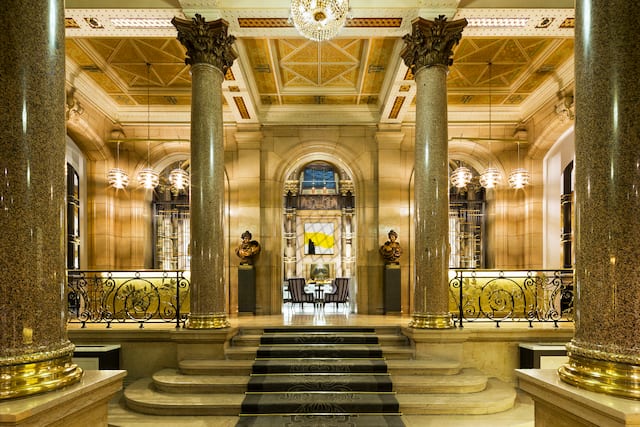
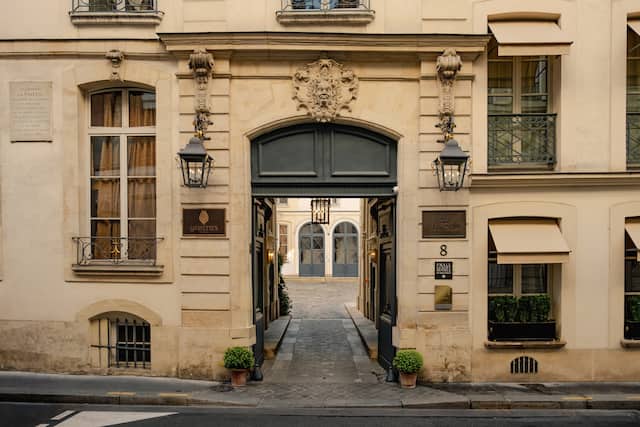
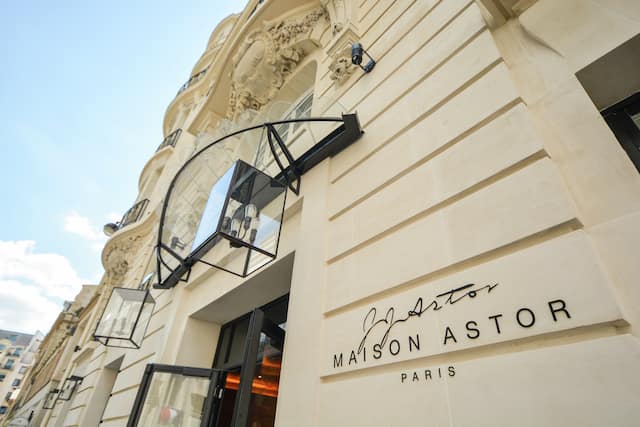
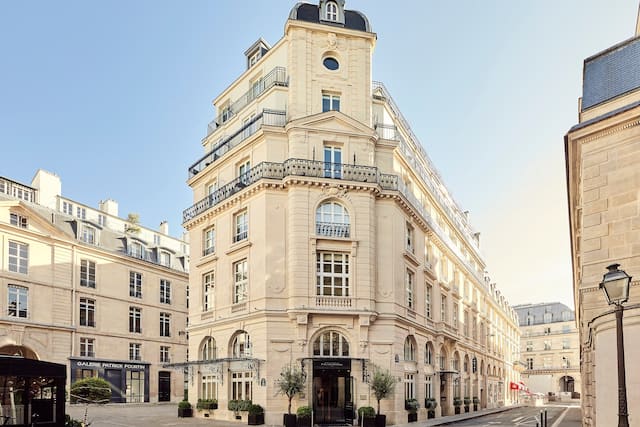
Maison Astor Paris, Curio Collection by Hilton
0.56 miles - 1 of 12
Grand Hotel du Palais Royal, an SLH Hotel
0.61 miles








What inspired the design of the Palais Garnier?
The architecture of the Palais Garnier is a mix of Baroque, Classical, and Renaissance styles, indicative of the lavishness and grandeur of the Second French Empire. The building was commissioned by Emperor Napoleon III and designed by Charles Garnier after a public competition in 1861. Garnier believed that an opera house should transcend its function and be a temple of luxury and art.
To evoke this feeling he used lavish materials and decorative ornamentation, including marble, gilded bronze, frescoes, and sculptures. Garnier cared about practicality, which led to incorporating different entrances for the different social classes and designing spaces specifically to enhance acoustics.
The exterior evokes classical symmetry, whereas the interior is quite intricate with grand staircases, domes and chandeliers. This blend of architectural styles and attention to both aesthetics and function helped make the Palais Garnier one of the most well-known opera houses in the world.
Is the Palais Garnier linked to The Phantom of the Opera story?
Yes, the Palais Garnier is famously linked to The Phantom of the Opera, the classic novel by Gaston Leroux. The 1910 classic drew inspiration from real elements of the opera house, including its underground lake and hidden passages.
Leroux was able to skillfully weave fiction with fact, to create a tale of a mysterious being that haunted the opera, ultimately resulting in one of the more popular musicals in the world. Both the underground lake and secret passageways are real - in fact, the underground lake was created as a result of the high water table when the site was being built, and is still used to assist in training firefighters.
References to The Phantom of the Opera can be found throughout the building and highlighted during guided tours, an association that adds a layer of intrigue to the venue, attracting literature and musical fans from around the world.
Can you see the grand staircase at the Palais Garnier without attending a show?
Visitors can view the grand staircase at the Palais Garnier, one of the opera house's most famous architectural elements. Appropriately called the Grand Escalier, this beautiful marble staircase climbs from the main entrance to the auditorium levels.
Incorporating both white and colored marble, it is framed with balustrades, candelabras, and gilded columns above it, with the frescoes on the ceiling adding to the splendor of the overall design. Its visual beauty made it a popular gathering place where theatergoers could see and be seen.
The grand staircase is accessible as part of organized tours, offering insight into the glamour of high society in 19th century Paris.
What materials were used to build the Palais Garnier?
A variety of ornate, durable materials were used in the construction of the Palais Garnier to achieve structure and space that reflect the affluence of the period, and ensure a long lasting structural integrity. The foundation is made of stone and concrete, while its lavishly decorated interiors are adorned with marble, stucco, gilded bronze, and onyx.
The grand staircase features white Carrara marble, green Sweden marble, and red Languedoc marble, with decorative elements such as frescoed ceilings, elaborate chandeliers, and sculpted columns further elevating the aesthetic value of the experience. Gold leaf was applied extensively throughout the space while a painting by Marc Chagall graces the ceiling of the auditorium.
Together, these materials seamlessly flow into an immersive environment that highlights the architectural artistry of Paris.
Are there secret rooms or hidden spaces in the Palais Garnier?
The Palais Garnier is well known for its hidden spots and secret architectural features. The underground lake beneath the building is undoubtedly one of the most famous secrets, and even though it is not open to the public, it is an important part of the opera house's identity.
There are rehearsal rooms, costume storage spaces, and private viewing boxes that aren’t visible from the main auditorium. A lesser-known feature is the Emperor’s private entrance and staircase, designed for Napoleon III but never really used due to the fall of his empire prior to the completion of the building.
Guided tours offer a glimpse into the history and purpose of these hidden areas of the Palais Garnier giving visitors a behind-the-scenes look at how this massive structure operates. The hidden details of the Palais Garnier contribute to its mystique and have inspired numerous stories including, most notably, the Phantom of the Opera.
*Prices are based on current availability over the next 30 days and are subject to change. Please enter exact dates for specific pricing and availability.